


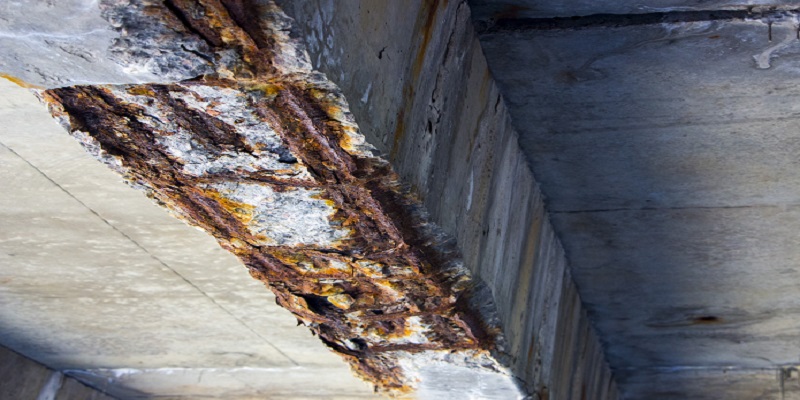
The European standard EN 1504-2 specifies the requirements for products used to protect concrete structures, including surface protection systems such as coatings and mortars. These materials are applied to reinforced concrete to preserve its integrity and extend its service life by preventing or reducing damage from environmental exposure, carbonation, chlorides, moisture ingress, and other aggressive factors. For manufacturers and suppliers, compliance with EN 1504-2 is a prerequisite for CE marking, enabling products to be legally marketed and used in the European Economic Area.
Scope and Classes of Protection
EN 1504-2 applies to products intended for surface protection of concrete in three main categories:
-
Hydrophobic impregnation
-
Impregnation (sealing of pores)
-
Coating (film-forming protective layer)
Each product type must fulfill specific functions such as increasing resistivity, controlling humidity, providing resistance against physical and chemical attack, and improving appearance. Products must also demonstrate compatibility with the substrate and adequate adhesion under defined conditions.
Essential Tests and Performance Requirements
In order to obtain CE marking under EN 1504-2, the following performance characteristics must be tested by a Notified Laboratory and declared in the Declaration of Performance (DoP):
-
Adhesion strength (pull-off test) ≥ 1.0 MPa
-
Permeability to water vapour (μ coefficient), classified as:
-
Class I: SD < 5 m (high permeability)
-
Class II: 5 m ≤ SD ≤ 50 m (medium)
-
Class III: SD > 50 m (low permeability)
-
-
Capillary absorption: < 0.1 kg/m²·h⁰·⁵
-
Permeability to CO₂: SD > 50 m
-
Resistance to freeze-thaw cycles (especially with de-icing salts): No visual damage
-
Crack bridging ability: Classified from A1 to A5 depending on performance at different temperatures
-
Chemical resistance: Based on intended exposure class
-
UV resistance and aging (for exterior coatings)
Additional requirements may include fire behavior (Euroclass), abrasion resistance, and reaction to biological agents depending on the use case.
Manufacturers must also prepare the Declaration of Performance and affix the CE marking on packaging or technical documentation, providing transparency and legal compliance across the EU market.
CE Marking Support by the Institute of Coating Technologies
The Institute of Coating Technologies offers specialized CE marking support services in accordance with EN 1504-2. Our team assists producers and importers in every stage of the certification process, including product testing coordination, communication with notified laboratories, preparation of technical documentation, and drafting of the Declaration of Performance. With deep expertise in coating technology and construction materials regulations, we provide tailored solutions to ensure market readiness, product reliability, and compliance with European legislation.